


Blog

How to Apply Wound Closure Strips
Wound closure strips are a simple yet effective solution for promoting proper healing in minor cuts, abrasions, and surgical incisions. With the right application technique, these strips can significantly reduce the risk of infection, minimize scarring, and speed up recovery. Bluemed’s wound closure strips offer a reliable, comfortable, and easy-to-use option for those in need of wound care.

How to Use Wound Closure Strips: A Comprehensive Guide
Wound closure strips are an effective, safe, and convenient solution for wound care. At Bluemed, we take pride in producing high-quality wound closure strips that meet the needs of both healthcare providers and patients. By following the simple steps outlined above, you can ensure optimal wound healing and minimize the risk of infection or scarring.

What Are Examples of NPWT? Exploring Different Types of Negative Pressure Wound Therapy Devices
Negative Pressure Wound Therapy (NPWT) has proven to be an invaluable tool in wound care, offering significant benefits for patients with chronic, traumatic, or surgical wounds. From portable, battery-operated devices to advanced stationary systems, the variety of NPWT devices available ensures that healthcare professionals can select the right solution based on the patient’s needs and the complexity of the wound.

What is an NPWT Device? A Comprehensive Guide to Negative Pressure Wound Therapy
An NPWT device is a sophisticated yet essential tool in modern wound care, providing significant benefits for patients with chronic, complex, or surgical wounds. By applying controlled negative pressure, NPWT devices promote faster healing, reduce infection risks, and stimulate tissue regeneration.

Can NPWT Be Used on Infected Wounds? Exploring the Role of Negative Pressure Wound Therapy in Infection Management
NPWT can be a valuable tool in the management of infected wounds, offering benefits such as reduced bacterial load, improved blood flow, and enhanced granulation tissue formation. However, its application must be carefully managed to ensure that it is used appropriately and effectively. For infected wounds, NPWT should always be part of a comprehensive treatment plan that includes infection control, proper debridement, and ongoing monitoring.

Can NPWT Be Used on Infected Wounds? Exploring the Role of Negative Pressure Wound Therapy in Infection Management
NPWT can be a valuable tool in the management of infected wounds, offering benefits such as reduced bacterial load, improved blood flow, and enhanced granulation tissue formation. However, its application must be carefully managed to ensure that it is used appropriately and effectively. For infected wounds, NPWT should always be part of a comprehensive treatment plan that includes infection control, proper debridement, and ongoing monitoring.

What is the Success Rate of NPWT? Understanding the Effectiveness of Negative Pressure Wound Therapy
The success rate of Negative Pressure Wound Therapy (NPWT) is generally high, with studies showing healing rates of 60% to 90% for various wound types. However, the success of NPWT depends on factors such as wound type, patient health, and proper device application. By understanding these variables and leveraging high-quality NPWT systems like those offered by Bluemed, healthcare providers can improve wound healing outcomes and achieve greater patient satisfaction.
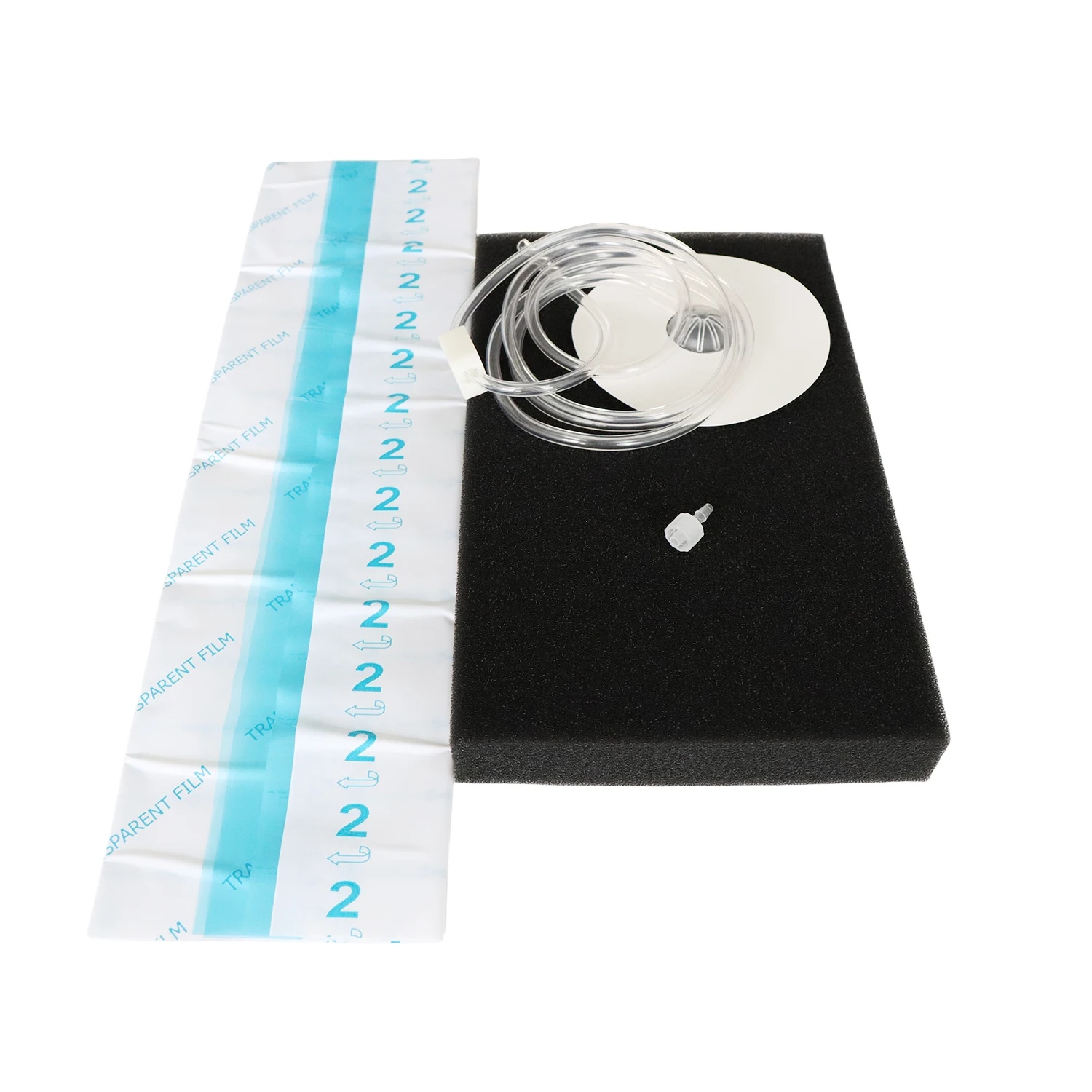
What Are the Disadvantages of NPWT? Understanding the Limitations of Negative Pressure Wound Therapy
While Negative Pressure Wound Therapy (NPWT) offers many advantages in the treatment of chronic and complex wounds, it is not without its disadvantages. Healthcare providers must consider the potential risks, costs, and patient factors when deciding whether NPWT is the most appropriate treatment option.
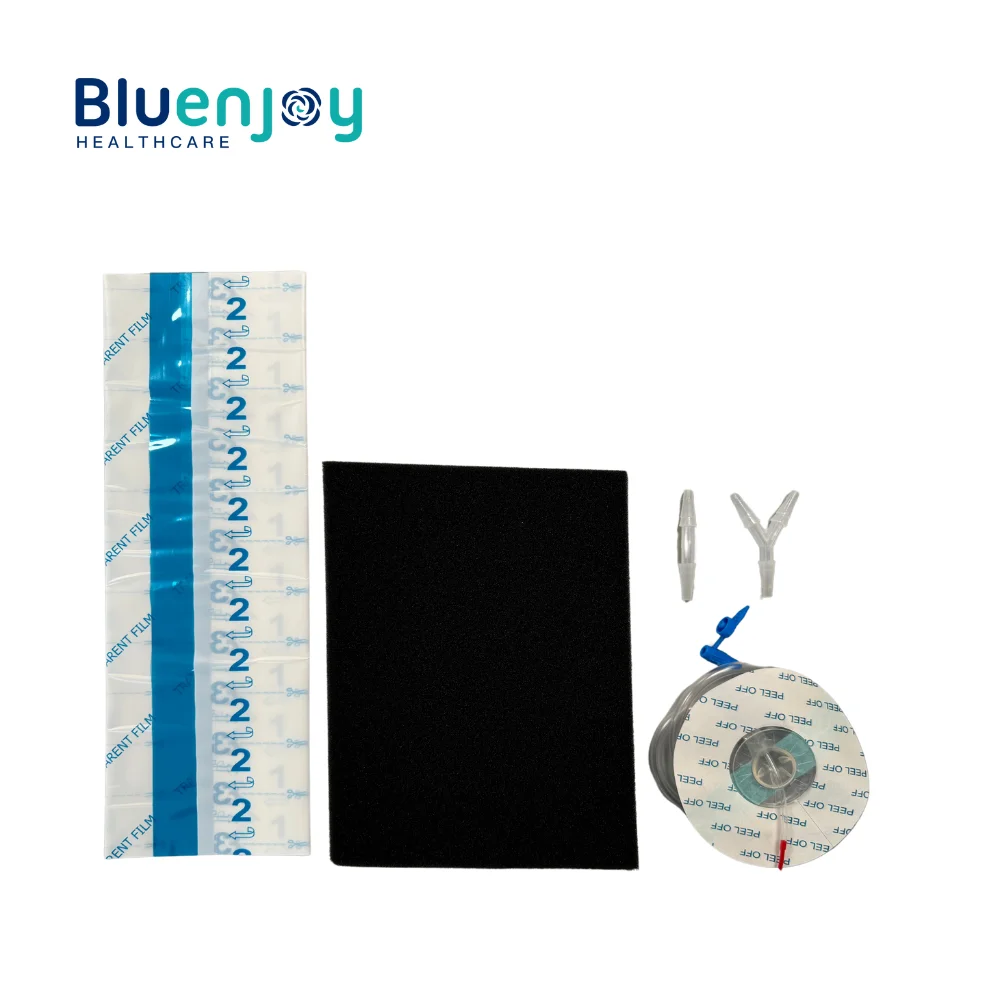
How Much Does NPWT Cost? Understanding the Costs and Value of Negative Pressure Wound Therapy
The cost of Negative Pressure Wound Therapy (NPWT) depends on several factors, including the type of device used, the duration of therapy, and whether the treatment is administered in a hospital or at home. While the upfront costs may seem high, the long-term benefits of NPWT — such as faster healing, reduced complications, and shorter hospital stays — make it a cost-effective treatment option for many patients.

What is the NPWT Machine Used For? Exploring the Versatility and Benefits of Negative Pressure Wound Therapy
The NPWT machine is a powerful tool in modern wound care, offering a safe and effective solution for treating chronic, traumatic, and surgical wounds. By improving circulation, promoting tissue regeneration, and reducing infection risk, NPWT helps accelerate the healing process and improve patient outcomes.